Golden broth, tender chickpeas, and wilted kale give this Tuscan chickpea soup the kind of body that makes a bowl feel complete instead of light on purpose. The flavor comes from a slow build: onion and garlic softened in olive oil, fire-roasted tomatoes for depth, rosemary for that woodsy Italian note, and a little parmesan rind if you have one. By the time it finishes simmering, the broth tastes layered and savory, not thin or one-dimensional.
What makes this version work is the way it uses the chickpeas twice. Most of them stay whole, while a small portion gets mashed or blended back in to thicken the soup naturally without cream. That gives you a broth that clings to the spoon and still keeps the bright bite of kale and tomato. The lemon at the end matters too. It wakes everything up and keeps the soup from tasting flat.
The broth got so rich after I mashed a few chickpeas, and the rosemary with the lemon at the end made it taste like something from a café. I also loved that the kale stayed bright instead of turning mushy.
Save this Tuscan Chickpea Soup for the nights when you want a thick, rosemary-scented bowl with almost no extra effort.
The Reason This Soup Tastes Deeper Than the Ingredient List
The difference between a thin chickpea soup and one that tastes like it simmered all afternoon is how you handle the base. Onion and garlic need to soften first so they can turn sweet and fragrant, and the tomatoes need time in the pot so their sharpness melts into the broth instead of sitting on top of it. If you rush straight to the liquid, the soup tastes assembled instead of cooked.
Rosemary is powerful here, which is why two sprigs are enough. Letting it simmer in the broth gives you that piney, savory note without turning the whole pot medicinal. The parmesan rind, if you use it, adds quiet saltiness and body. It doesn’t make the soup taste cheesy. It just makes the broth taste fuller.
- Chickpeas — Canned chickpeas work well because they hold their shape and keep this soup weeknight-friendly. If you cook your own, use about 3 cups fully cooked chickpeas.
- Fire-roasted diced tomatoes — These give the broth a smoky edge that regular diced tomatoes don’t quite match. If you only have plain diced tomatoes, add a small pinch of smoked paprika for a similar effect.
- Kale — Kale stays pleasantly chewy in hot broth, which is exactly what you want. Spinach will work in a pinch, but it softens much faster and gives you a looser finish.
- Parmesan rind — Optional, but worth adding if you have one. It melts flavor into the broth without changing the texture, and you can pull it out before serving.
What Each Ingredient Is Actually Doing in This Recipe
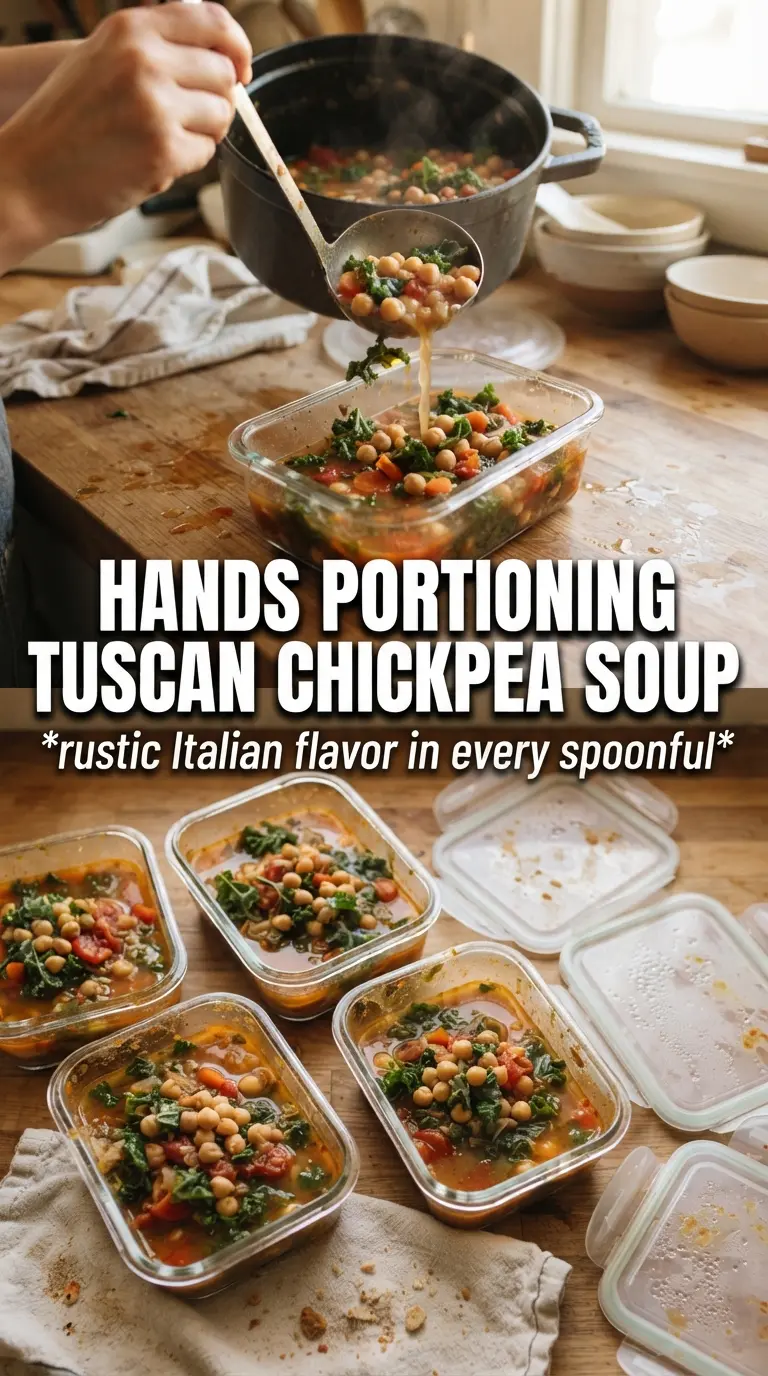
- Primary ingredient (the star) — Quality matters most. Choose the best you can find.
- Cooking medium (oil, butter, or broth) — This carries flavors and prevents dryness.
- Seasonings (salt, pepper, spices, herbs) — Layer flavors so nothing overpowers. Build depth gradually.
- Aromatics (garlic, onion, herbs) — Cook with fat to bloom flavors. Become the foundation.
- Supporting ingredients — Complement the main ingredient without overpowering it.
- Sauce or liquid (if applicable) — Brings flavors together. Balance richness with acid.
- Acid (lemon, vinegar, wine, or other) — Brightens and prevents flat-tasting results.
- Final finish (garnish, glaze, or sauce) — Prevents one-dimensional taste and adds visual appeal.
How to Build the Broth So It Stays Rich, Not Watery
Softening the Onion First
Warm the olive oil in a large pot and cook the onion until it turns soft and translucent, with just a little gold at the edges. That first five minutes matters because raw onion water can thin the broth and leave the soup tasting unfinished. Once the garlic and red pepper flakes go in, keep them moving for just a minute or two so the garlic smells fragrant, not sharp or browned.
Letting the Tomatoes and Herbs Simmer
Add the chickpeas, tomatoes, broth, rosemary, Italian seasoning, and parmesan rind, then bring the pot to a boil before lowering it to a steady simmer. You want the broth bubbling gently, not rolling hard, so the chickpeas stay intact and the rosemary can perfume the soup without overpowering it. If the heat is too high, the liquid can reduce too fast and the flavors start tasting harsh instead of rounded.
Mashing for Body
Scoop out a spoonful or two of chickpeas and mash them, or use an immersion blender for just a few pulses in one side of the pot. This is the step that gives the soup a thicker, almost creamy texture without dairy. Don’t blend the whole pot smooth unless that’s what you want; keeping some chickpeas whole gives you the contrast that makes every spoonful interesting.
Finishing With Kale and Lemon
Stir in the kale and cook it just until it turns dark green and tender, about five minutes. If it goes in too early, it can lose its shape and dull the broth. Taste the soup at the end and add salt, pepper, and lemon until the flavors wake up. A final drizzle of olive oil and a little parmesan on top makes the bowl taste complete.
How to Adapt This for Different Pans, Diets, and Pantry Days
Dairy-Free Version Without Losing Body
Skip the parmesan rind and the parmesan garnish, then finish with a little extra olive oil and a squeeze of lemon. The soup still tastes full because the mashed chickpeas do the heavy lifting. If you want a deeper savory note, add a pinch more salt at the end rather than trying to replace the cheese with another strong flavor.
Making It Vegan and Fully Plant-Based
Use vegetable broth and leave out the parmesan rind. For a little more umami, add a small splash of soy sauce or tamari at the end, but keep it light so the rosemary still leads. The result stays hearty and clean-tasting instead of heavy.
Using Spinach Instead of Kale
Spinach can replace kale, but add it in the last minute or two because it wilts fast. The soup will be softer and less rustic, and the green flavor will be milder. That works well if you want a lighter bowl, but it won’t hold up as long in leftovers.
Storage and Reheating
- Refrigerator: Store in an airtight container for up to 4 days. The broth thickens as it sits, so it may taste a little denser the next day.
- Freezer: This soup freezes well for up to 3 months. Cool it completely first, then freeze without the parmesan garnish or lemon so you can add those fresh later.
- Reheating: Warm it gently on the stove over medium-low heat with a splash of broth or water if needed. Don’t boil it hard, or the kale can turn dull and the broth can taste overreduced.
Answers to the Questions Worth Asking
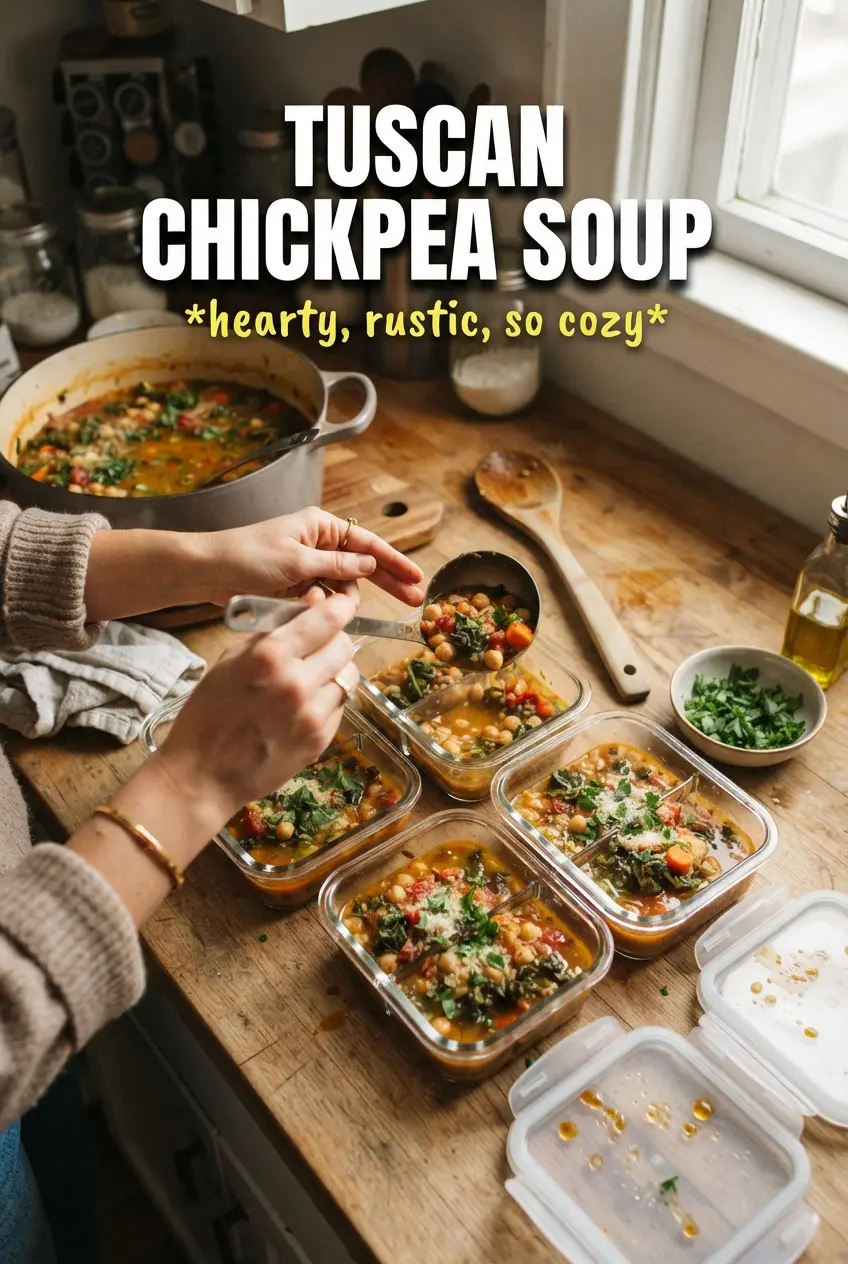
Tuscan Chickpea Soup
Ingredients
Equipment
Method
- Heat 2 tablespoons olive oil in a large pot over medium heat, then sauté the diced onion for 5 minutes until softened and translucent (visual cue: edges start to turn lightly golden).
- Add the minced garlic and red pepper flakes, and cook for 2 minutes until fragrant (visual cue: bubbling at the edges and strong aroma).
- Stir in the drained chickpeas, fire-roasted diced tomatoes, vegetable broth, fresh rosemary, Italian seasoning, and the parmesan rind (if using), then bring the mixture to a boil (visual cue: large rolling bubbles cover the surface).
- Reduce to a simmer and cook for 20 minutes, then remove the rosemary sprigs and parmesan rind (visual cue: broth looks slightly thickened and chickpeas are tender).
- Mash or blend about a third of the chickpeas for a thicker consistency (visual cue: some of the soup becomes creamy while the rest stays chunky).
- Add the chopped kale and cook for 5 minutes until wilted (visual cue: leaves darken and collapse).
- Season with salt and pepper to taste, then stir in lemon and finish with a drizzle of olive oil and parmesan (visual cue: sheen from olive oil and parmesan flecks melt slightly on top).