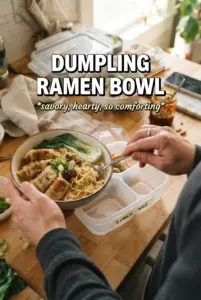
Dumpling ramen bowls bring together everything that makes a cozy bowl worth repeating: springy noodles, savory broth, tender dumplings, and that soft-boiled egg with the yolk running into the soup. The best part is that it eats like a complete meal without feeling fussy, and the toppings give every spoonful a little something different — chewy, crisp, rich, and bright all at once.
The broth here is built from chicken broth, white miso, soy sauce, mirin, and sesame oil, which means you get depth without needing a long simmer. Miso adds body and that rounded savory taste, but it only behaves if it goes into hot broth off the direct heat for a moment or gets whisked in gently while the soup is at a low simmer. The dumplings cook right in the broth, so they soak up flavor instead of going into plain water first, and the bok choy stays crisp-tender instead of collapsing.
Below, I’ve included the timing that keeps the noodles from going soggy, the ingredient swaps that actually work, and the small details that make this bowl feel like something from your favorite noodle shop.
The broth had way more depth than I expected, and cooking the dumplings right in it gave them so much flavor. I kept the noodles separate like you suggested, and even the leftovers held up the next day without turning mushy.
Save this dumpling ramen bowl for the night you want a fast, brothy dinner with soft-boiled eggs, sesame heat, and real noodle-shop comfort.
The Broth Needs Gentle Heat, Not a Hard Boil
The biggest mistake in a bowl like this is treating the broth like soup that can take a rolling boil from start to finish. Miso gets muddy and flat when it’s hammered with heat, and dumplings can split if they’re tossed into an aggressive boil before they’ve had time to warm through. A steady simmer keeps the broth clear, the seasoning balanced, and the dumplings intact.
Another thing that matters here is sequence. The bok choy only needs a couple of minutes, and the noodles should be cooked separately so they don’t steal broth or turn bloated while you’re finishing the toppings. If you’ve ever ended up with a bowl that tastes good but looks tired, it’s usually because everything was cooked too long in one pot.
What Each Ingredient Is Actually Doing in This Bowl
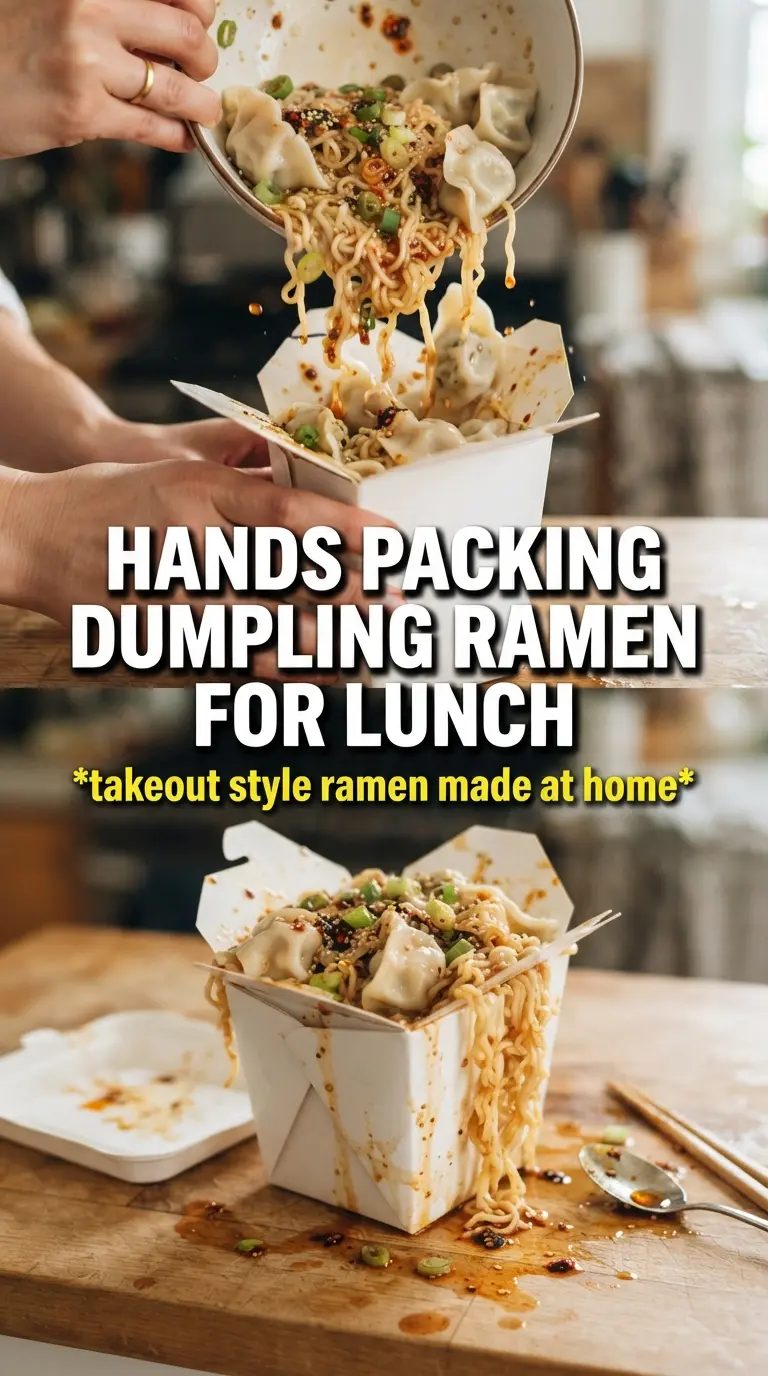
- Frozen dumplings — These are the shortcut that makes the bowl feel substantial without extra prep. Pork dumplings bring a little more richness, while chicken dumplings keep the broth lighter. Don’t thaw them first; they hold together better when they go from freezer to broth.
- White miso paste — This gives the soup its round, savory backbone. White miso is gentler than darker miso, so it plays nicely with soy sauce and sesame oil instead of taking over. If you substitute another miso, use a little less at first and taste before adding more.
- Fresh ramen noodles — Fresh noodles are worth using if you can find them because they stay bouncy and cook fast. Dried ramen works in a pinch, but it won’t have the same springy texture. Cook them separately so the starch doesn’t cloud the broth.
- Soft-boiled eggs — The yolk is part of the sauce here. A 7-minute egg gives you that custardy center that blends into the broth without turning chalky. Peel them while still slightly warm so the whites stay smooth.
- Bok choy and corn — Bok choy adds a fresh, leafy contrast, and corn brings sweetness that balances the miso. Baby bok choy is easiest because the stems and leaves cook at about the same pace. If you use larger heads, slice the stems thin so they soften on time.
Building the Bowl in the Right Order
Season the Broth First
Bring the chicken broth to a steady simmer, then whisk in the miso until it dissolves completely before adding the soy sauce, mirin, and sesame oil. If the miso clumps, press it against the side of the pot with your spoon and keep whisking until the broth looks smooth and slightly opaque. Keep the heat moderate; a hard boil is what makes the miso lose its clean, savory edge.
Cook the Dumplings Without Letting Them Fall Apart
Add the frozen dumplings straight into the simmering broth and cook just until they’re hot through and tender, usually 5 to 7 minutes depending on size. You want them plump and floating, not split open at the seams. If the broth stops simmering when they go in, give the pot a minute to come back up before you start timing.
Finish the Greens Fast
Drop in the bok choy near the end and cook it only until the stems are bright and the leaves wilt. Overcooked bok choy turns dull and gives the bowl a soft, overdone texture. If you’re using larger stems, add them first for a minute before the leafy tops go in.
Keep the Noodles Separate Until the Last Second
Cook the ramen noodles in their own pot, drain them well, and divide them among the bowls before ladling over the broth. This keeps the soup from turning starchy and prevents the noodles from soaking up all the liquid before the table. If you want the bowl to stay brothy, warm the bowls first so the noodles don’t cool the soup down too fast.
Make It Vegetarian
Swap the chicken broth for a good vegetable broth and use vegetable dumplings. The broth will be a little lighter, so taste at the end and add a touch more miso or soy sauce if it needs more depth.
Make It Gluten-Free
Use gluten-free dumplings and gluten-free tamari in place of soy sauce, then choose rice noodles or certified gluten-free ramen. The broth still works beautifully, but the noodles will be a little softer and less springy than wheat ramen.
Turn Up the Heat
Add chili crisp or extra chili oil at the table instead of cooking it into the broth. That keeps the heat bright and lets each person control how spicy the bowl gets without dulling the miso.
Storage and Reheating
- Refrigerator: Store the broth, dumplings, vegetables, eggs, and noodles separately for up to 3 days. The noodles soften faster than anything else, so keep them out of the broth until serving.
- Freezer: The broth freezes well for up to 2 months, but the noodles, eggs, and bok choy do not. Freeze only the broth and dumplings if you want the best texture later.
- Reheating: Reheat the broth gently on the stove until steaming, then add the dumplings and greens just long enough to warm through. Reheat noodles with a splash of hot water or a quick dip in boiling water, not in the soup itself, or they’ll go soft and mushy.
Answers to the Questions Worth Asking
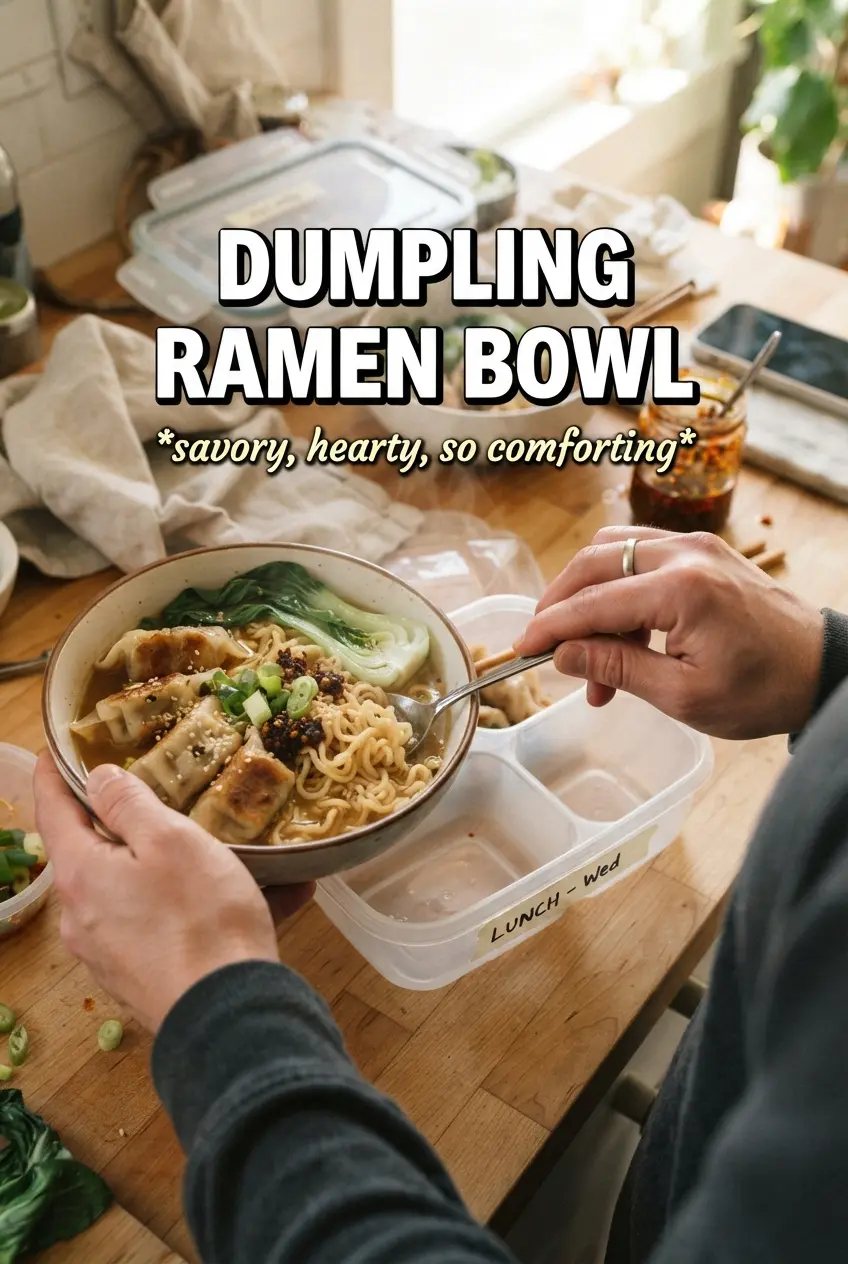
Dumpling Ramen Bowl
Ingredients
Equipment
Method
- Bring the chicken broth to a simmer in a Dutch oven, whisking to ensure it heats evenly. Visual cue: small bubbles should form around the edges and surface.
- Whisk in the white miso paste, soy sauce, mirin, and sesame oil until fully dissolved. Visual cue: the broth turns slightly darker and smooth with no miso lumps.
- Add the frozen dumplings to the simmering broth and cook for 5-7 minutes, until cooked through. Visual cue: dumplings look plump and feel hot throughout.
- Add the halved bok choy and cook for 2-3 minutes, until wilted. Visual cue: bright green leaves soften but keep some bite.
- Cook the fresh ramen noodles separately according to package instructions, then drain. Visual cue: noodles are tender and springy, not mushy.
- Divide the drained ramen noodles between 4 bowls and ladle the dumplings and soy-miso broth over top. Visual cue: broth pools around the noodles and coats dumplings.
- Top each bowl with halved soft-boiled eggs, corn kernels, sliced green onions, nori, sesame seeds, and chili oil. Visual cue: a mix of runny yolk, green flecks, and dark nori contrast against the broth.