Creamy chicken and rice soup earns its place in the rotation when you want something hearty enough to count as dinner but still soft around the edges. The broth turns velvety, the rice cooks until tender without falling apart, and the shredded chicken soaks up all that savory creaminess. Each spoonful has a little bit of everything: sweet carrots, celery, garlic, and that gentle richness that makes the bowl feel finished.
What makes this version work is the order. The vegetables get a head start in butter so they soften before the flour goes in, which keeps the broth from tasting raw or pasty. The chicken simmers in the broth first, then comes out for shredding so it stays juicy instead of stringy. The rice cooks right in the soup, where it thickens the broth just enough without turning the whole pot into porridge.
You’ll find a few simple technique notes below that help keep the soup creamy instead of heavy, plus the best way to handle leftovers since rice keeps absorbing liquid after the pot is off the heat.
The broth turned out silky and the rice stayed tender without getting mushy, even after reheating the next day. My husband went back for a second bowl and said it tasted like something from a good diner.
Creamy Chicken and Rice Soup with tender chicken, soft rice, and a silky broth is the kind of bowl worth keeping on hand for easy weeknight dinners.
The Reason This Soup Stays Creamy Instead of Turning Gluey
Rice soups can go wrong fast. If the pot is too hot when the cream goes in, the broth can taste thin at first and then turn heavy instead of silky. If the rice cooks too long, it gives up too much starch and the whole pot turns thick in a way that feels pasty, not comforting. This recipe avoids both problems by building the base first, cooking the chicken gently, and adding the cream only after the rice is tender.
The other thing that matters is simmering, not boiling, once the cream is added. A hard boil can make dairy taste flat and can push the texture in the wrong direction. You want a quiet bubble, a little movement around the edges, and a broth that coats a spoon without clinging like gravy.
What Each Ingredient Is Actually Doing in This Soup
- Chicken breast — This gives you clean, mild chicken flavor and shreds into soft pieces that don’t compete with the broth. Thighs work if that’s what you have, and they bring a little more richness, but breasts stay lighter and more familiar in this style of soup.
- Long grain white rice — Long grain rice holds its shape better than short grain, which matters here because the soup already has cream and a roux for body. Brown rice can be used, but it needs a longer simmer and more broth, so the soup won’t taste quite the same.
- Butter, flour, and cream — This is the backbone of the texture. The butter softens the vegetables, the flour gives the broth structure, and the cream finishes the soup with that smooth, rounded feel. If you’re tempted to skip the flour, the soup will still taste good, but it won’t have the same body.
- Carrots, celery, onion, and garlic — These build the savory base before anything else goes in. Dice the onion fairly small so it disappears into the broth, and slice the carrots and celery thin enough that they soften in the time it takes the chicken to cook.
- Thyme, parsley, and nutmeg — Thyme brings the classic chicken-soup note, parsley keeps the flavor fresh, and the nutmeg is subtle but useful. It doesn’t make the soup taste sweet; it just rounds out the cream and makes the broth taste warmer.
The 20 Minutes That Matter Most
Softening the Vegetables First
Melt the butter and cook the onion, carrots, and celery until the onion looks translucent and the carrots start to lose their raw edge. This is where the soup gets its base flavor, so don’t rush it. If the vegetables still taste sharp, they’ll stay that way in the finished bowl. The goal is softened, glossy vegetables, not browned ones.
Cooking Out the Flour
Stir in the garlic and flour and cook it for a minute or two until the mixture stops looking dusty. That step matters because raw flour can make the broth taste chalky. You’re not trying to brown it; you’re just letting it coat the vegetables and lose that raw edge before the liquid goes in.
Simmering the Chicken Gently
Add the broth, chicken, and seasonings, then keep the pot at a gentle simmer until the chicken is cooked through. A hard boil can make the chicken tough and can cloud the broth more than you want. When the chicken is ready, it should shred easily with two forks and still look moist in the center.
Cooking the Rice Without Overdoing It
Once the chicken is out and shredded, bring the soup to a boil just long enough to add the rice, then lower it to a steady simmer and cover the pot. Rice needs steady heat and time, not agitation. If you keep the soup at a rolling boil, the grains break down faster and the texture goes from creamy to heavy.
Finishing with Cream
Stir the shredded chicken and cream into the pot only after the rice is tender. Let the soup warm through on low heat for a few minutes so the cream blends in smoothly. If you add it too early or over high heat, the broth can separate slightly and lose that velvety finish.
How to Adapt This for a Smaller Pot, a Lighter Bowl, or a Different Diet
Dairy-Free Version
Swap the heavy cream for full-fat coconut milk or an unsweetened oat-based cream, and use extra butter-style olive oil if you also need to skip the dairy butter. Coconut milk gives the soup a faintly different background note, while oat cream stays closer to the original texture. Either way, add it at the end over low heat so the soup stays smooth.
Gluten-Free Swap
Use a gluten-free flour blend in place of the all-purpose flour, or thicken the soup with a cornstarch slurry at the end if that’s what you keep stocked. The flour route gives you a more classic, rounded broth; cornstarch thickens faster but can turn the texture a little shinier and less rustic.
Using Leftover Rotisserie Chicken
Skip the chicken simmering step and stir the shredded rotisserie chicken in near the end, just long enough to heat through. This is the fastest version, but the broth won’t pick up quite as much chicken flavor from the meat itself, so the seasonings matter more. A little extra thyme helps.
How to Store the Soup for Later
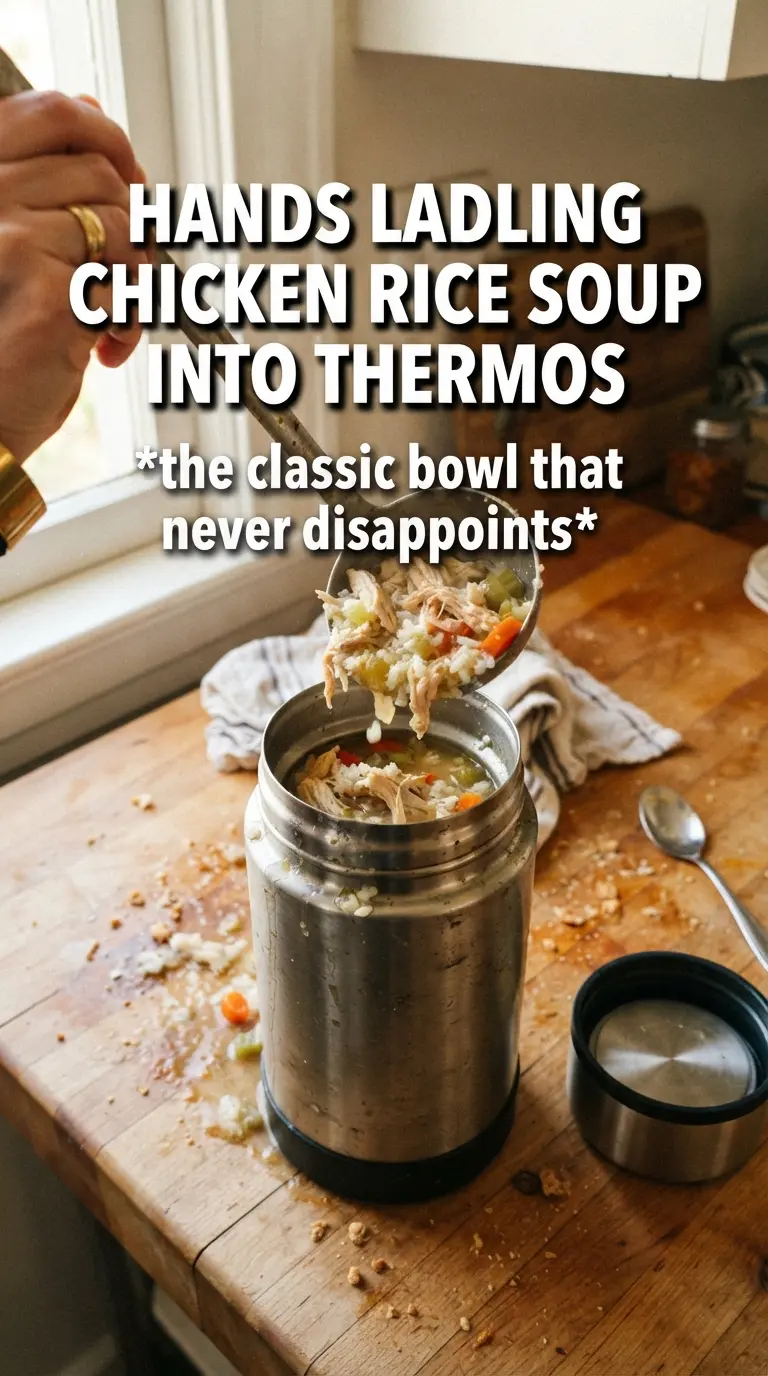
Refrigerator: Store in an airtight container for up to 4 days. The rice will keep absorbing broth, so expect the soup to thicken as it sits. Freezer: It freezes, but the rice softens after thawing, so the texture is best if you freeze it before adding the rice and cook the rice fresh when you reheat. Reheating: Warm it gently on the stove over low heat with a splash of broth or water to loosen the base. A hard boil can make the cream separate and can push the rice past tender.
Answers to the Questions Worth Asking

Creamy Chicken and Rice Soup
Ingredients
Equipment
Method
- Melt the butter in a large pot over medium heat, then sauté the onion, carrots, and celery for 5 minutes, until softened and glossy.
- Add the garlic and flour, and cook for 1-2 minutes, stirring constantly until fragrant and lightly bubbly.
- Gradually whisk in the chicken broth until smooth.
- Add the chicken, thyme, dried parsley, and nutmeg; keep the soup at a simmer and cook for 15-18 minutes until the chicken is cooked through and tender.
- Remove the chicken from the pot and shred it, then return the shredded chicken to the soup.
- Bring the soup to a boil over medium-high heat, then stir in the rice and ensure the rice is evenly distributed.
- Cover and simmer for 18 minutes, until the rice is tender and the soup looks slightly thickened.
- Stir in the heavy cream and simmer for 5 minutes, just until the broth turns velvety and hot.
- Season with salt and pepper to taste, then serve hot.